Dragonfly

English Language Arts Curriculum

Dragonfly is a K-5 literacy curriculum grounded in the science of reading, combining rich content, storytelling, and foundational skills to help students become confident readers. It brings print and digital experiences together to create a more engaging and connected approach to literacy.

I help build and align the product organization, shaping product strategy, UX, and design direction across student and teacher experiences. I bring product, design, engineering, and curriculum teams together around a shared vision and create the structure and alignment needed to move the product forward.

AI Workflow Optimization Product Strategy Cross-functional Leadership


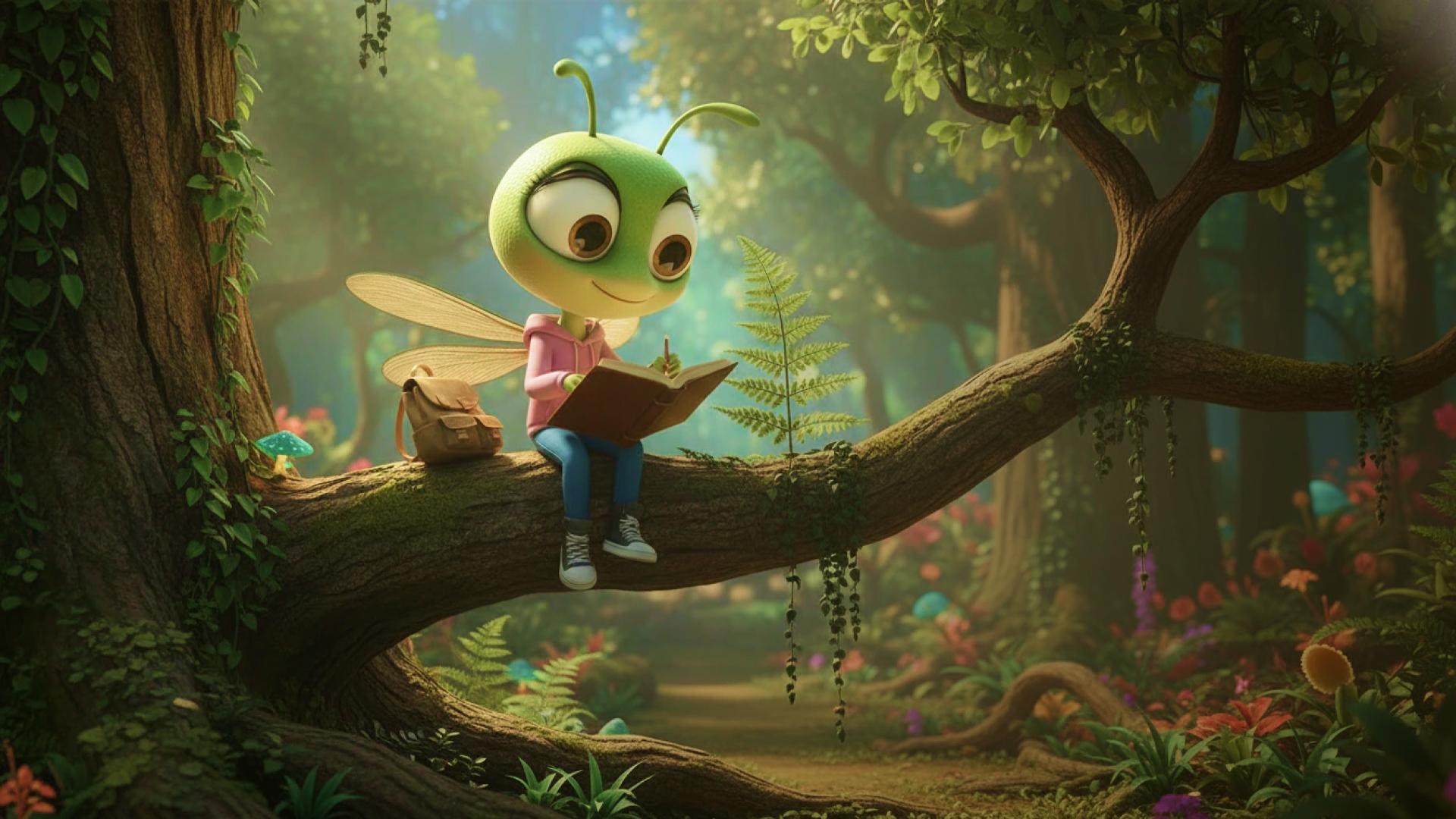
Dragonfly Sky pose
Dragonfly Twilight pose
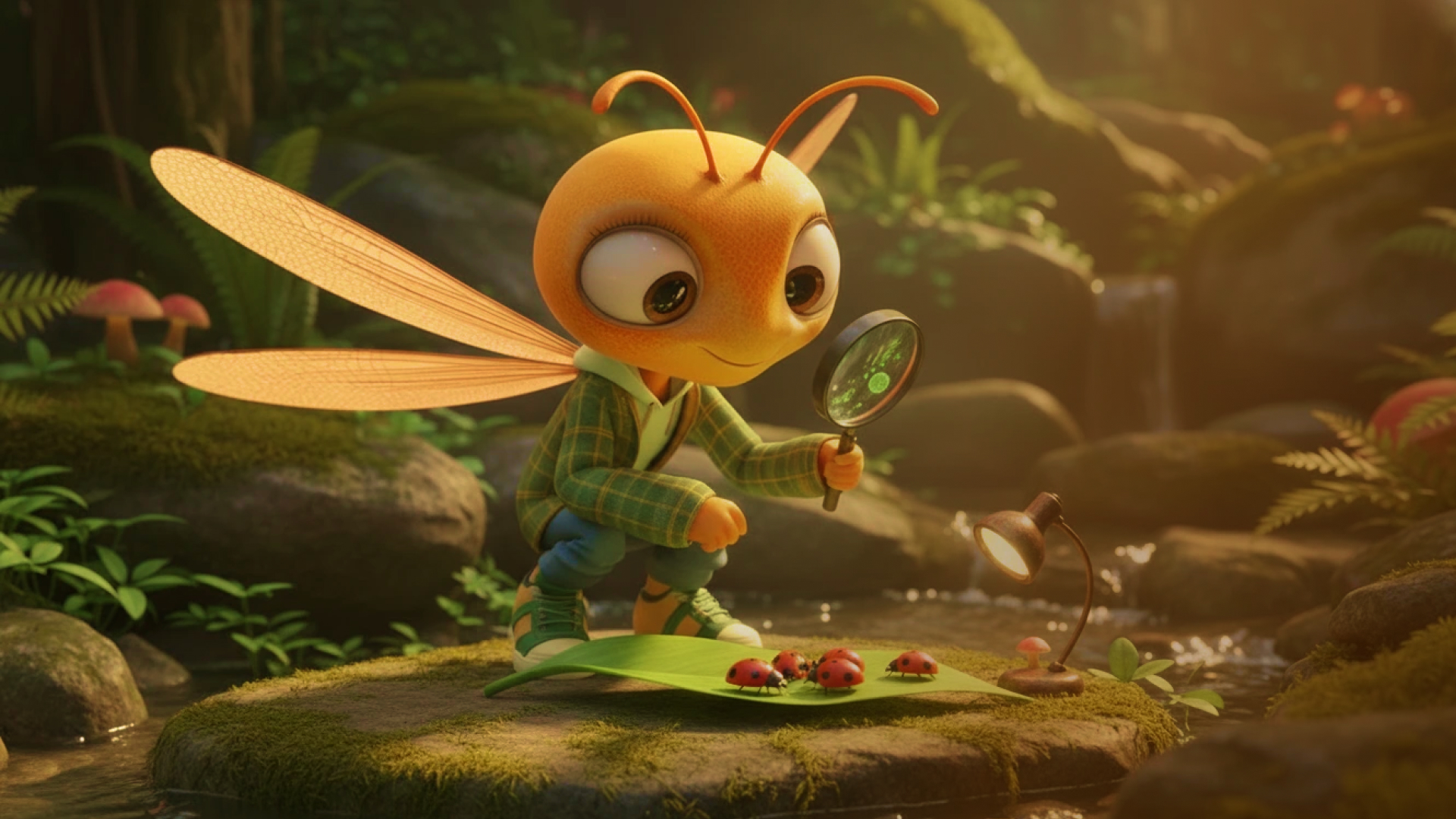
Dragonfly Ripple pose
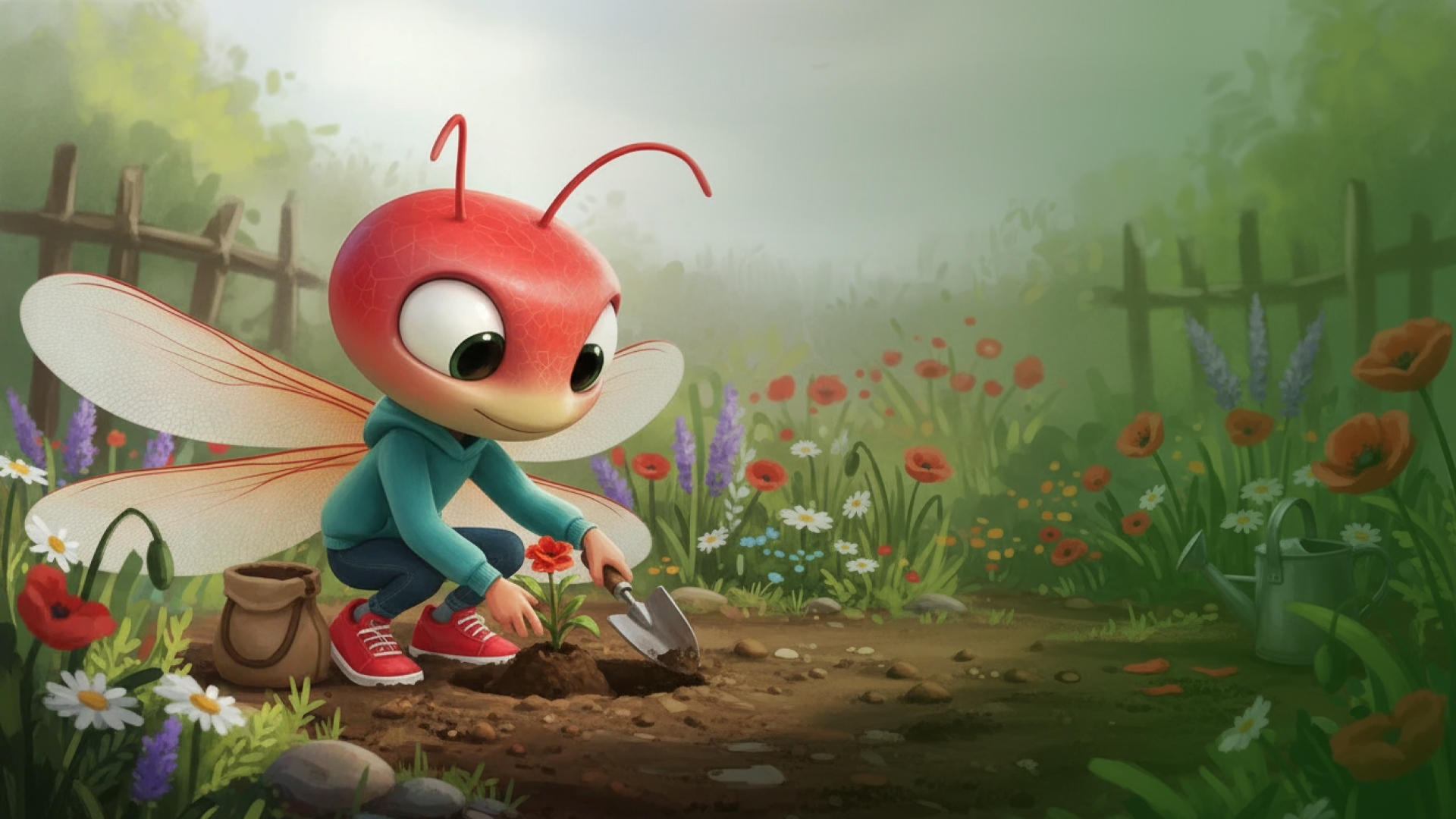
Dragonfly Meadow pose
Dragonfly Sunny pose
Dragonfly Ember pose

AI Workflow Optimization

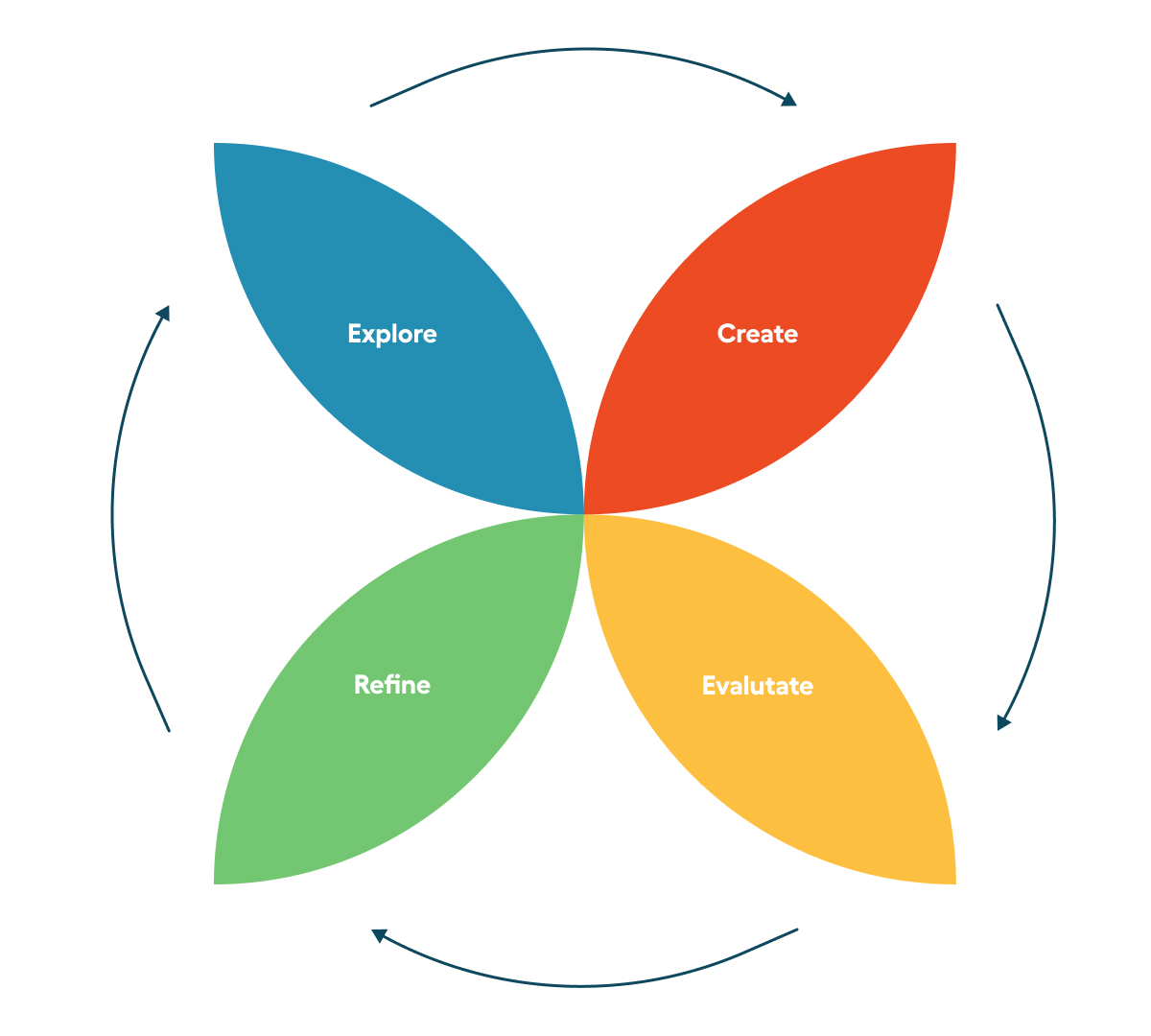
I was part of a company-wide effort to explore agentic workflows and rethink how design and engineering teams approach their work. I participated in weekly sessions across the technology organization to share what we were learning, experiment with new approaches, and identify where AI could meaningfully improve our day-to-day work. I also helped track AI usage across my department and adapt tools developed by our corporate organization to support the needs of our teams.

I apply these principles directly to my own work and encourage them across the team. I use AI to create, outline, and describe product work. I developed a structured template that turns ideas into clear, actionable work items. I also encourage designers to use AI as another tool in their toolkit, particularly for repetitive work, exploration, and early-stage thinking. The goal is not to replace design or engineering judgment, but to give both disciplines more leverage to focus on higher-value work.

Dragonfly Wings

AI Product Strategy

My approach to AI extends beyond improving how we work internally. I look for opportunities to apply AI within products where it can meaningfully improve an experience, while recognizing that not every AI capability needs to become a conversational interface. I consider where AI can reduce friction, surface useful insights, or help users accomplish tasks that would otherwise require more effort.

I use a set of design principles and concepts to think through user-facing AI, including interaction, feedback, trust, and user control. I consider how these principles change when a product can generate, recommend, or act on a user's behalf. This includes thinking carefully about when AI should be visible and interactive, when it should support a workflow more subtly, and how much control users should retain.

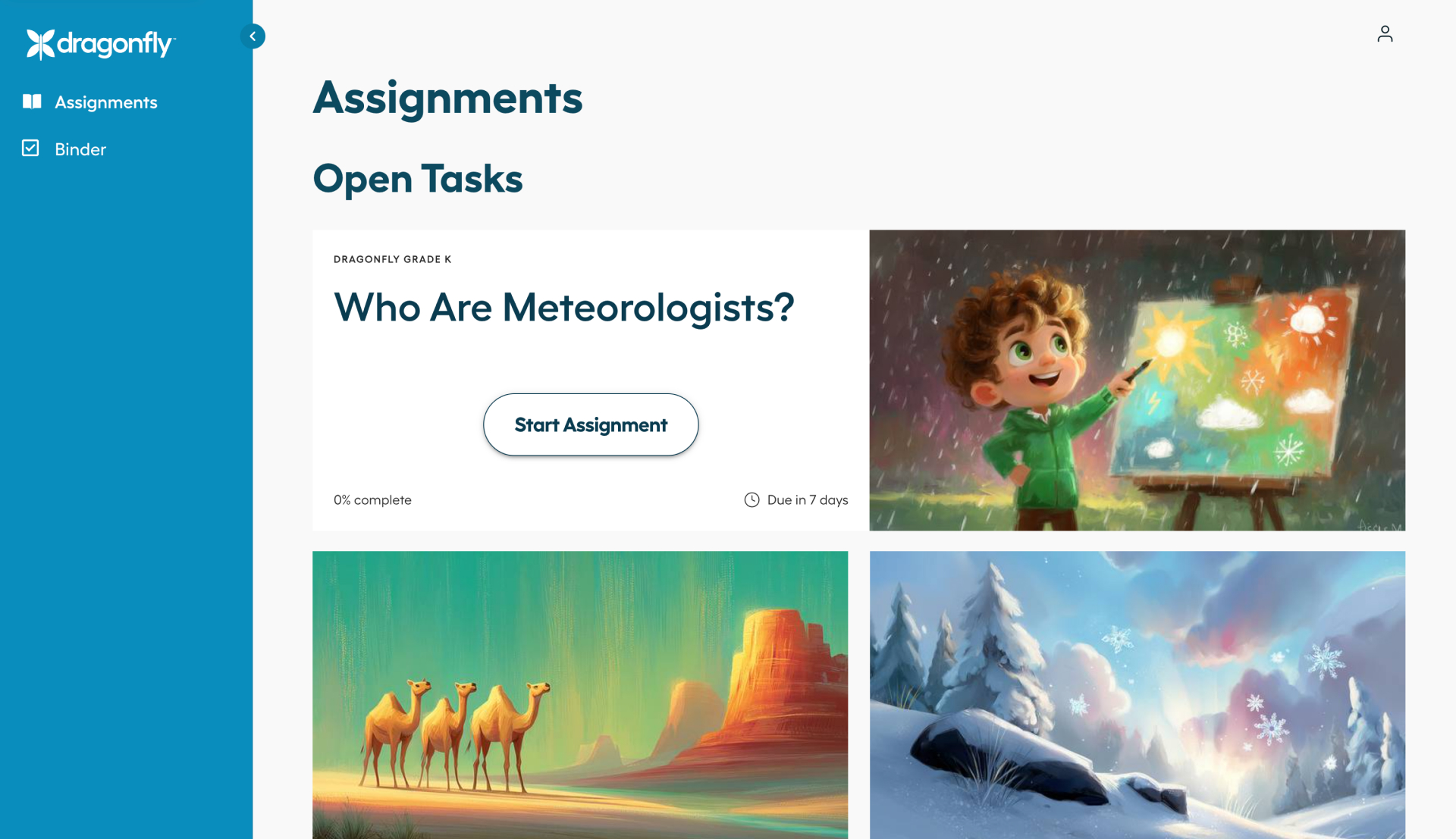
Dragonfly student assignments
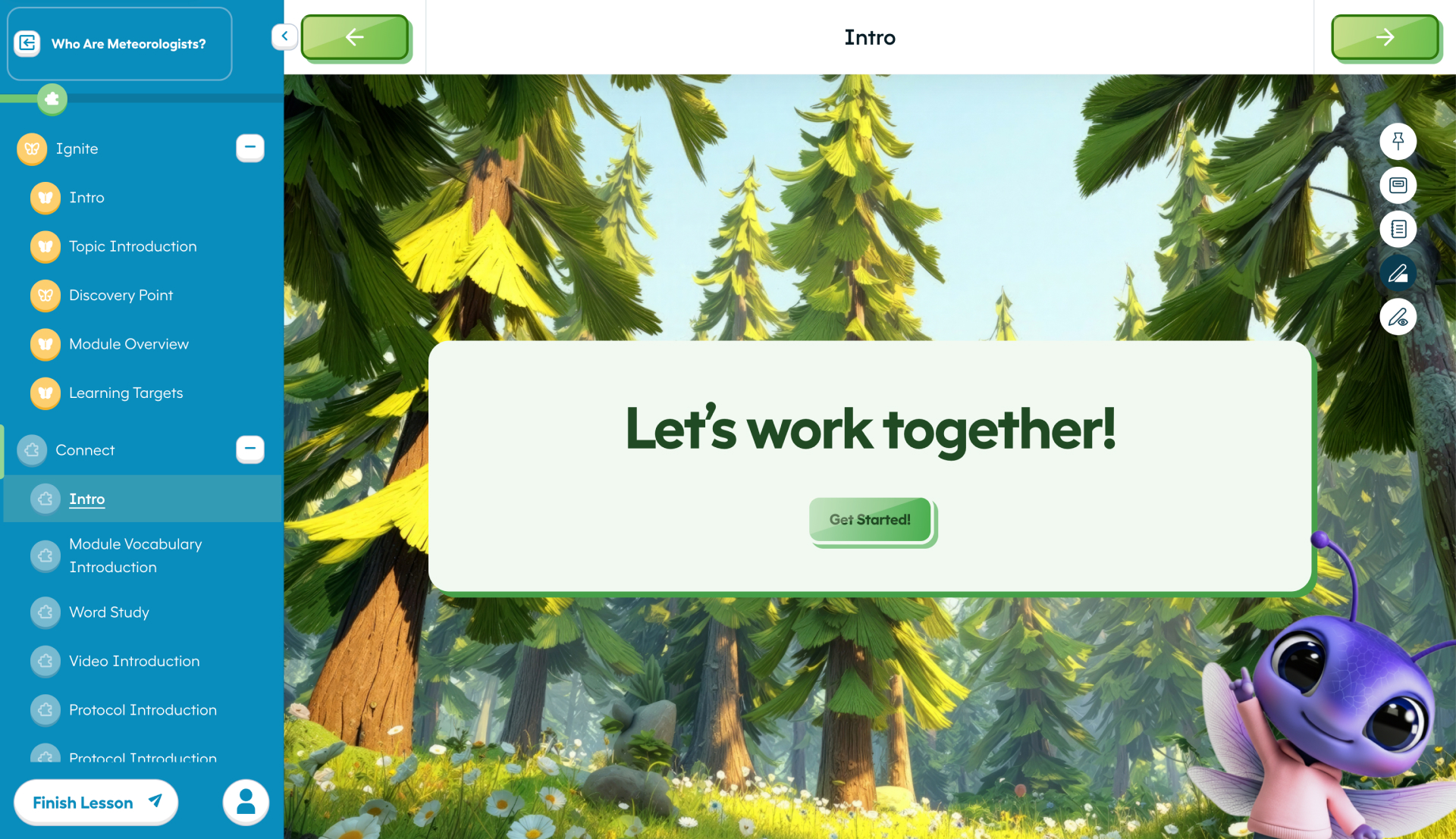
Dragonfly student lesson intro
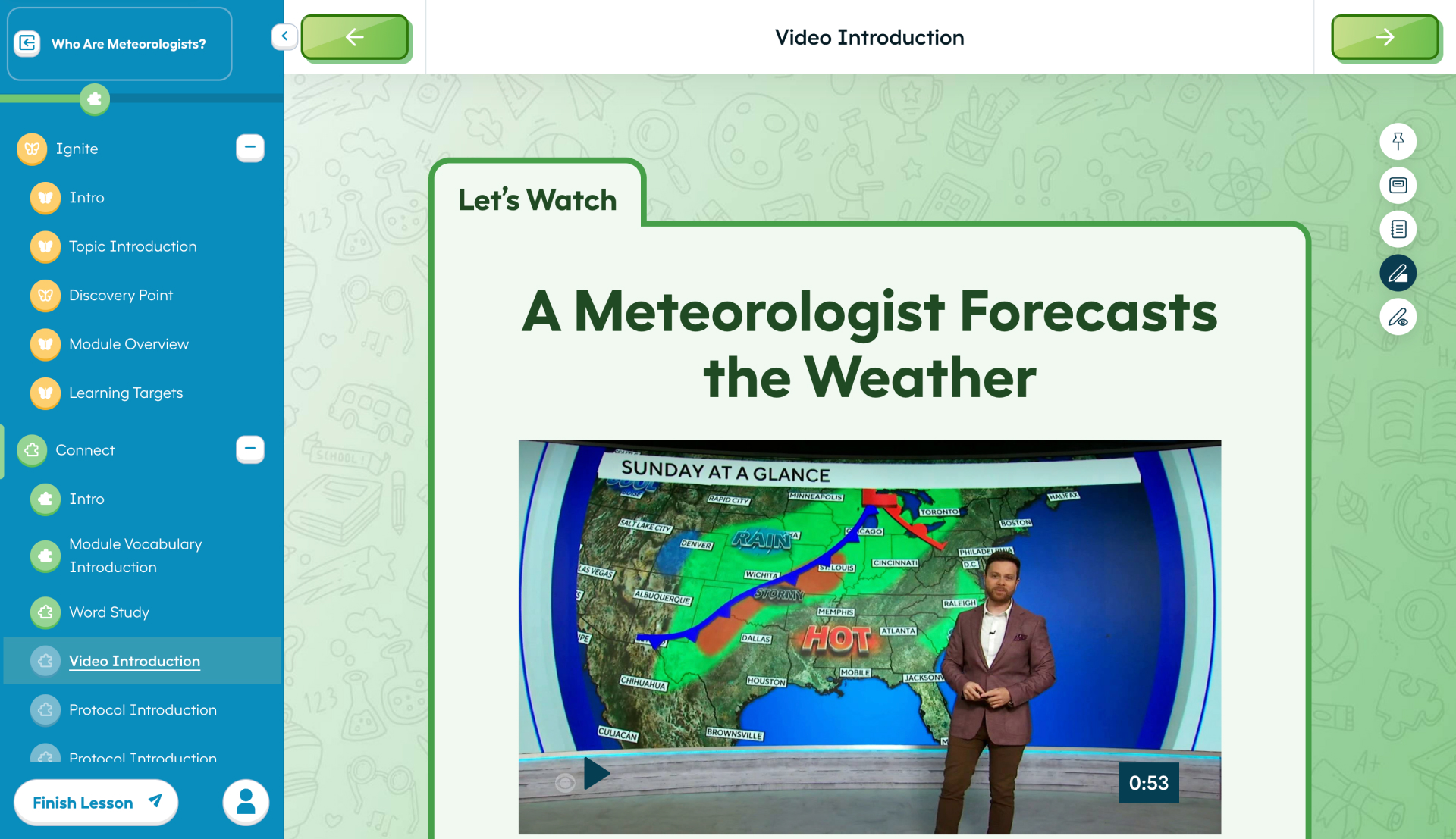
Dragonfly student lesson video
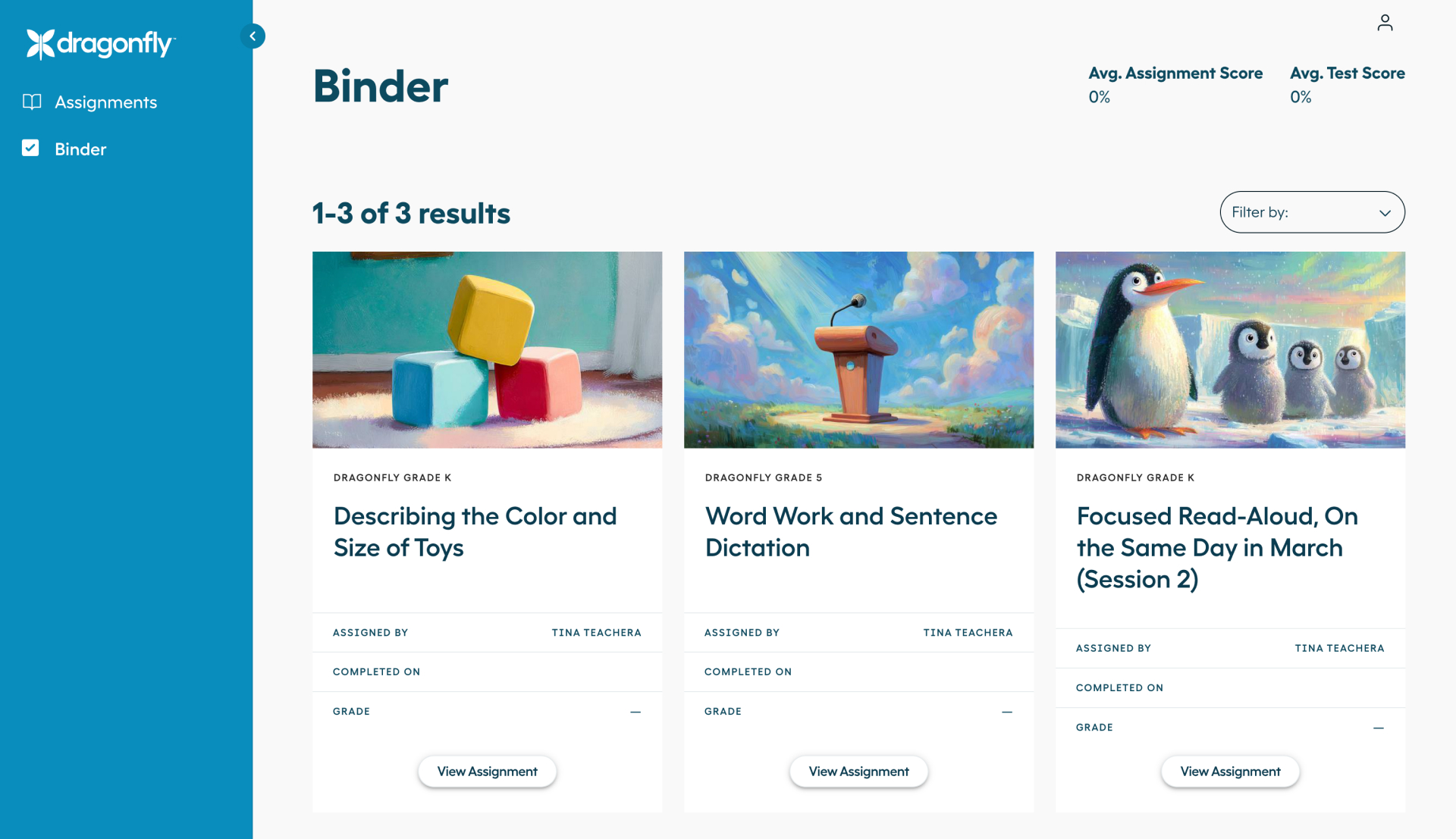
Dragonfly student binder

Student Interface

Designing an interface for students who are still developing foundational reading and digital fluency skills introduced a different set of challenges than designing for older learners. Dragonfly needed to support a wide range of ages within a single curriculum while making learning feel approachable, fun, and inviting. The experience needed to grow with students, balancing simplicity for early learners with the depth needed as their skills and independence developed.

We focused on reducing the amount of content presented at once and increasing the role of visual communication. Our approach built on learnings from previous curriculum products while adapting those principles to the developmental range of K-5 learners. We also considered how the digital experience could complement Dragonfly's rich print content, creating a more connected approach to learning that helps students build confidence as readers.

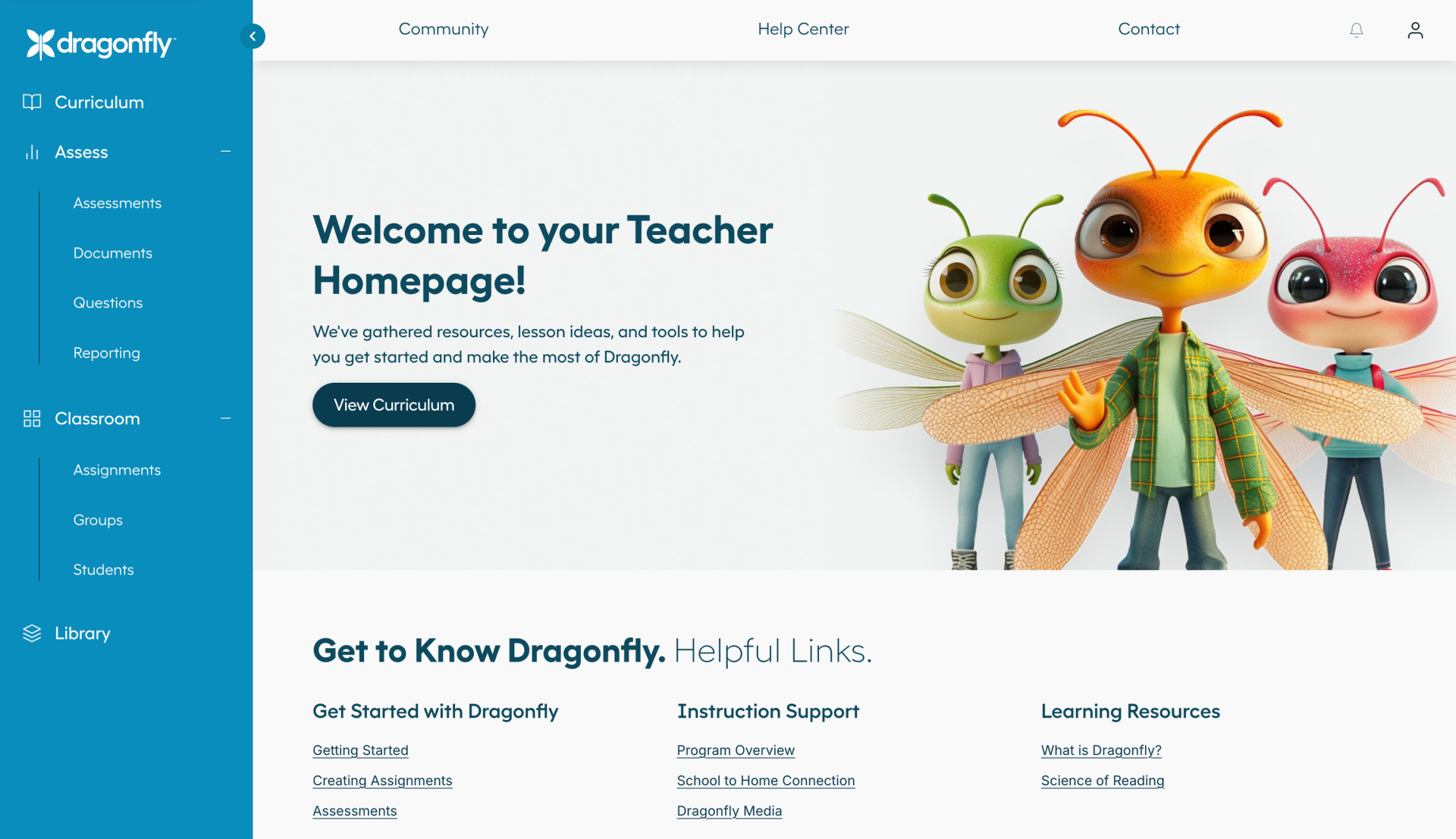
Dragonfly teacher homepage
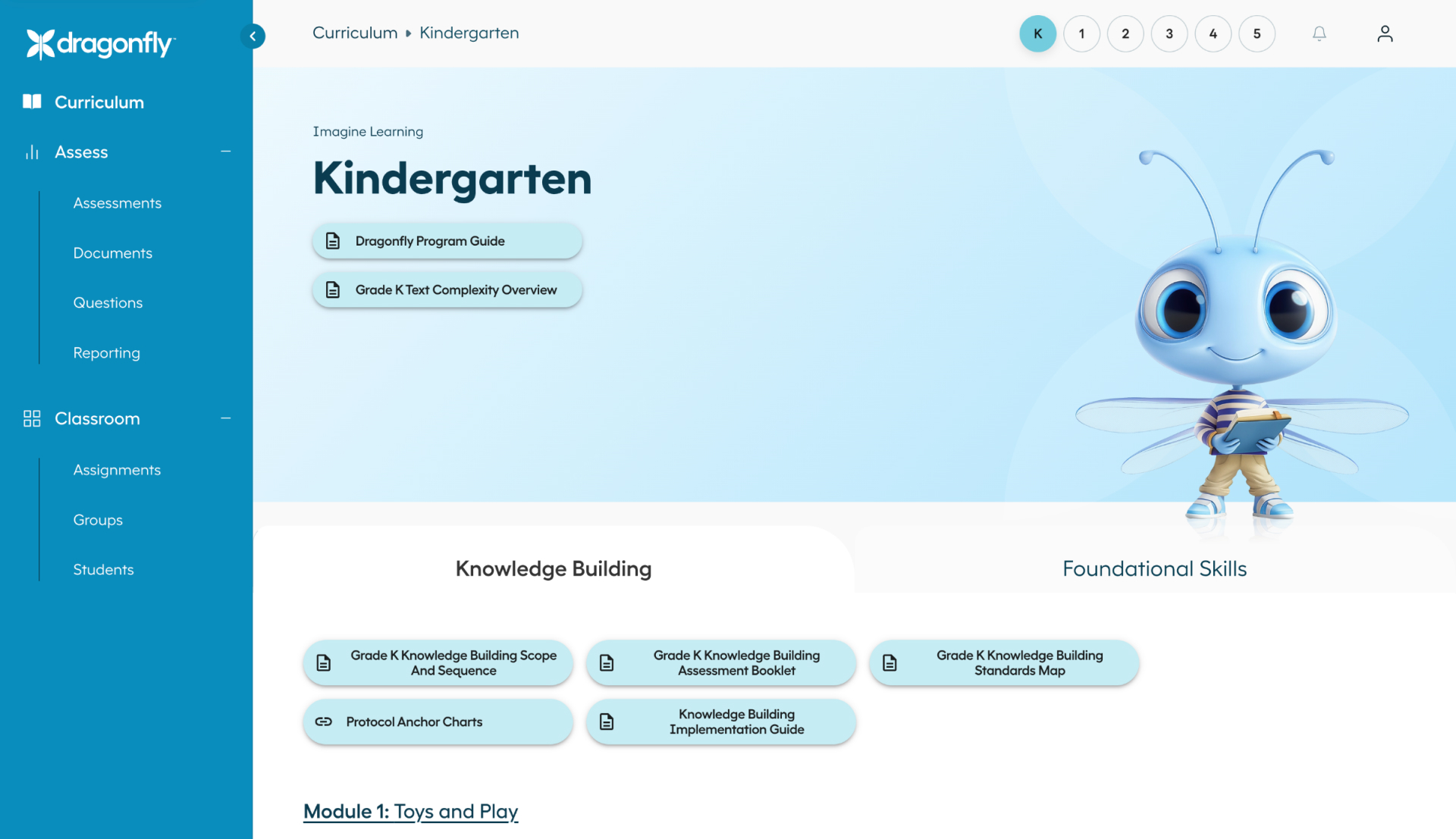
Dragonfly teacher curriculum
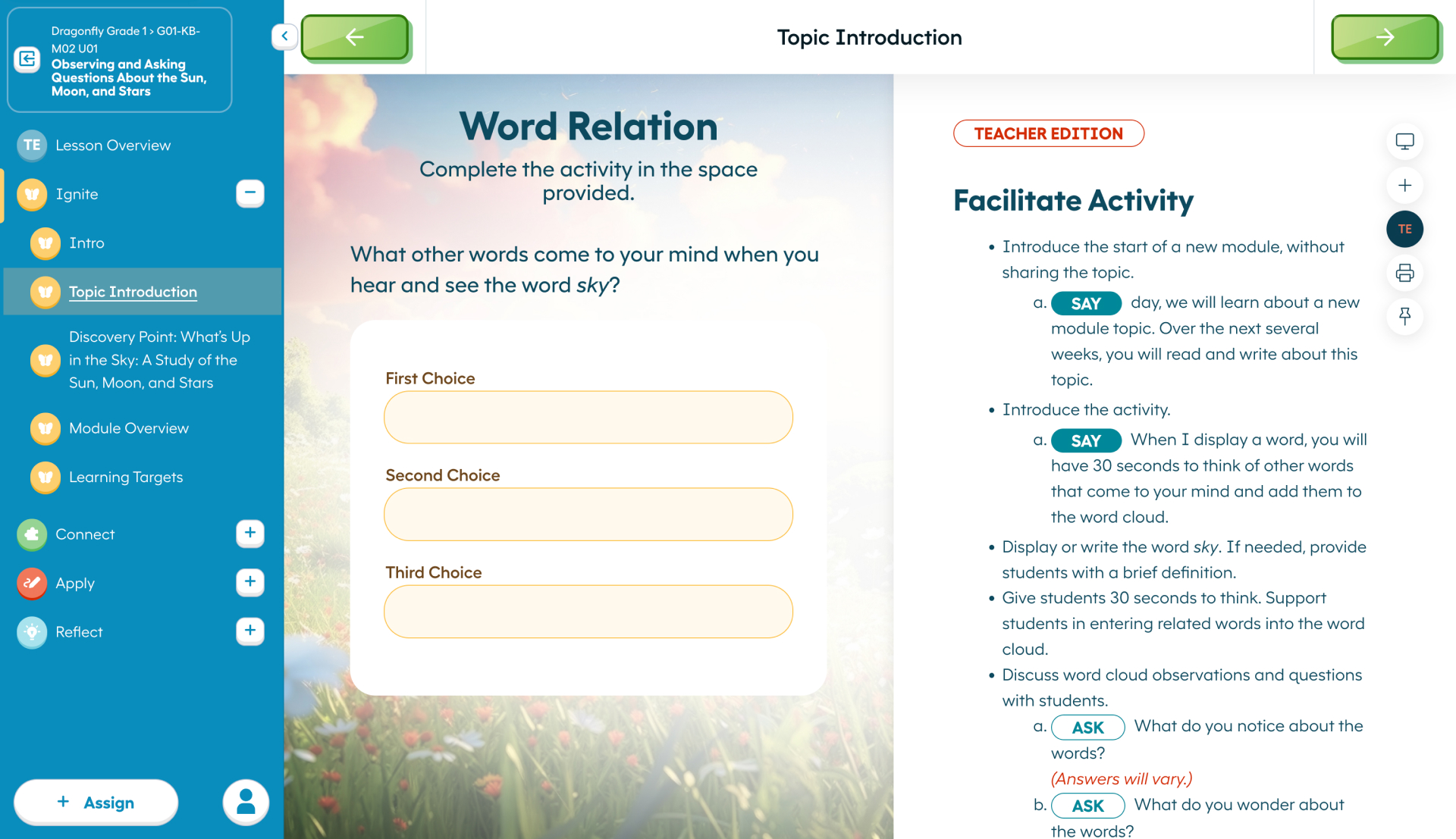
Dragonfly teacher lesson TE
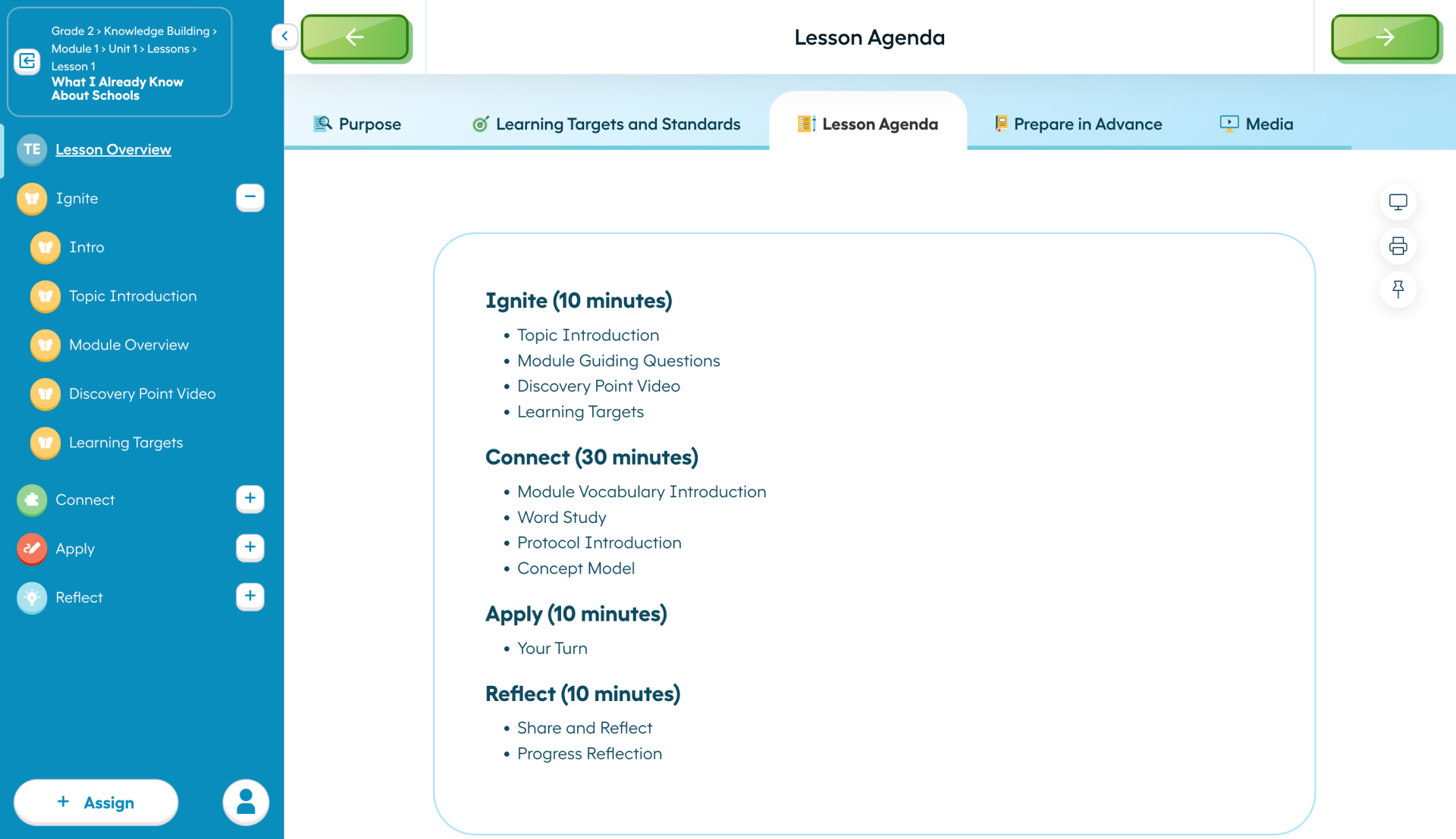
Dragonfly teacher lesson agenda

Teacher Interface

Dragonfly is designed around teacher-assisted learning, with the digital experience supporting instruction rather than replacing it. While students interact with the product digitally, the experience is primarily designed for use within the classroom. Teachers have tools to present, explore, and discuss content together with their students. This required us to think beyond individual student workflows and consider how the product could support an entire classroom in learning together.

The curriculum brings together Knowledge Building and Foundational Skills, balancing shared learning with targeted literacy instruction. Teachers can introduce core concepts to the entire class, then adapt instruction based on student needs. The experience supports a fluid transition between shared instruction, targeted support, and independent learning.

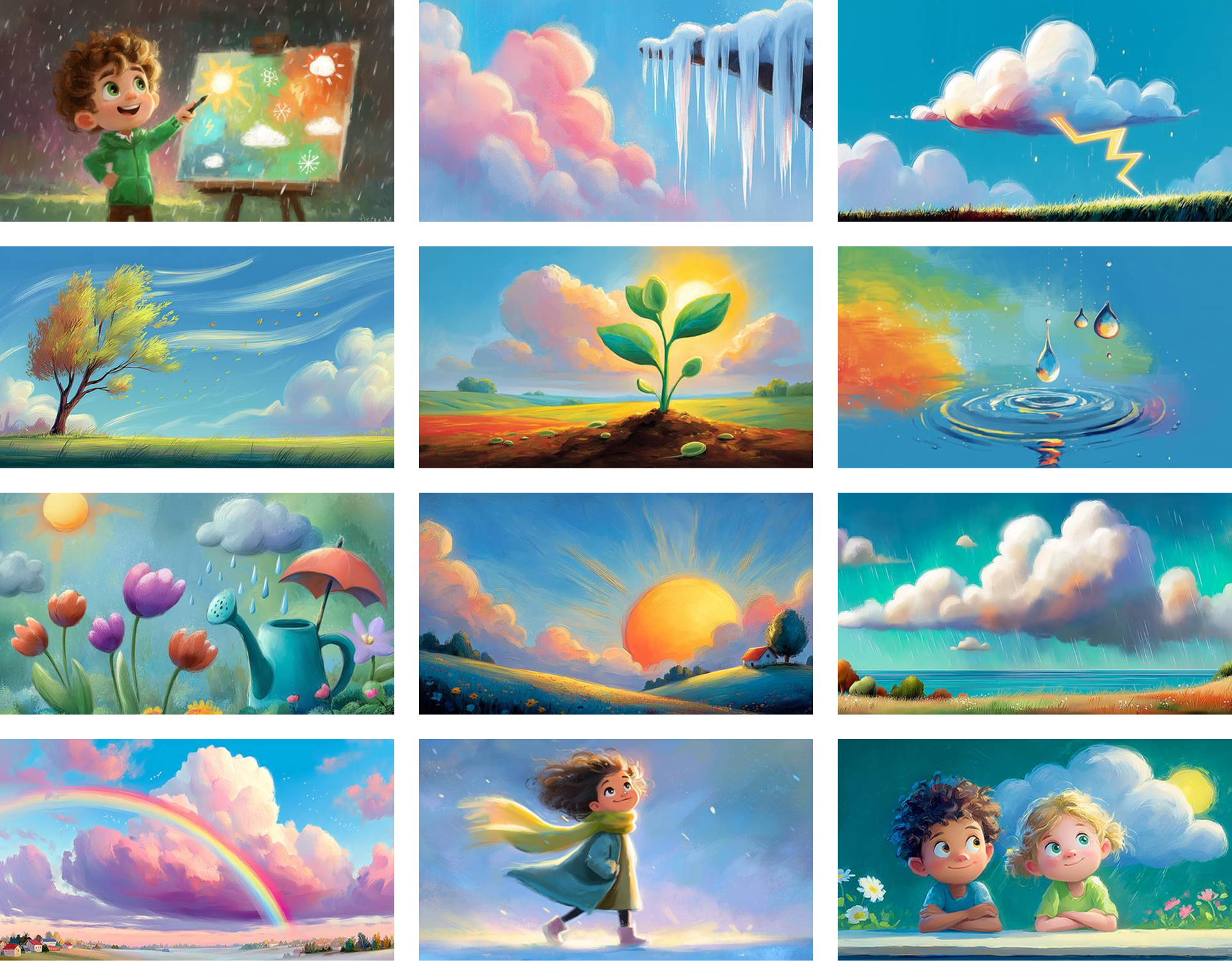
Dragonfly lessons weather kindergarten
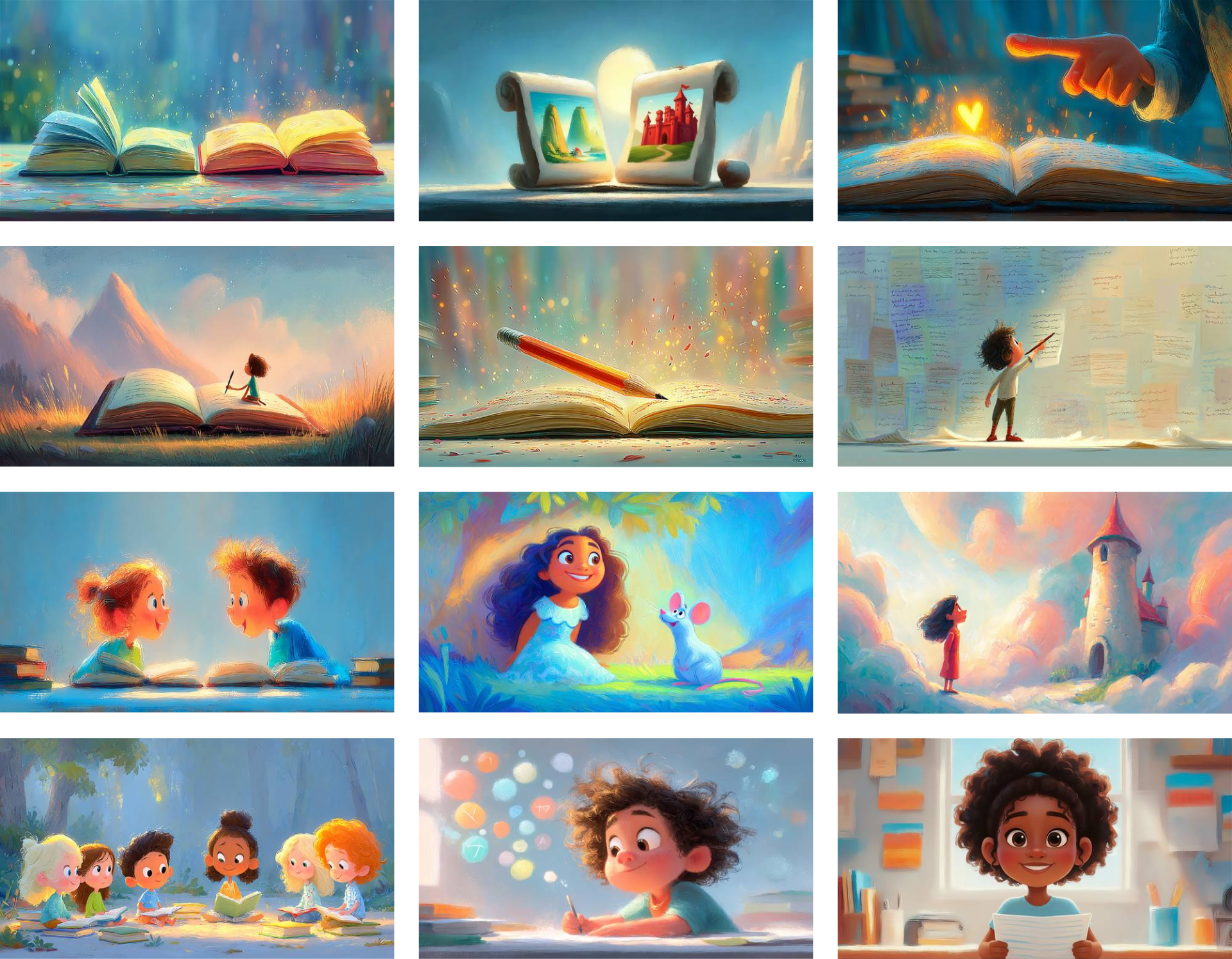
Dragonfly lessons folktales grade 3
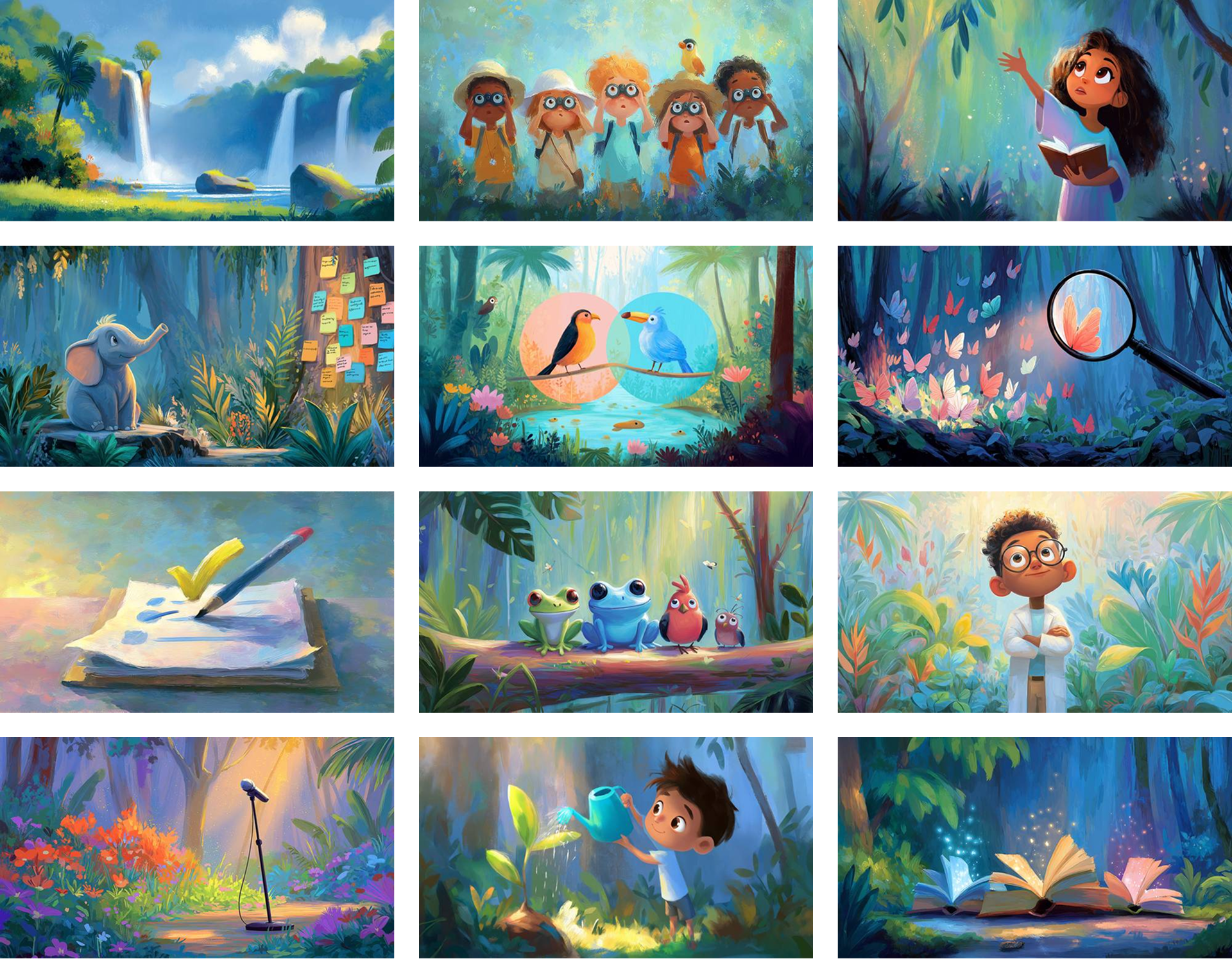
Dragonfly lessons rainforests grade 5

Bringing It Together

Dragonfly was built on top of an existing product foundation, so the work involved finding the right balance between reusing established patterns and creating new experiences. I worked across the platform, curriculum, and brand to determine where existing patterns could carry forward and where the new content required a different approach. This allowed the team to move quickly without treating every part of the product as something that needed to be reinvented.

A major part of my role was connecting the teams contributing to the product and keeping their work moving together. Internal teams and contractors contributed curriculum, media, and other visual assets, while engineering helped bring those pieces into the product. I worked across these groups to shape solutions, provide direction, clarify what each team needed, identify dependencies early, and review work as it came together. I made sure everyone stayed aligned toward shared product milestones and that the contributions came together as a cohesive experience rather than feeling like separate pieces of work.

See It in Action

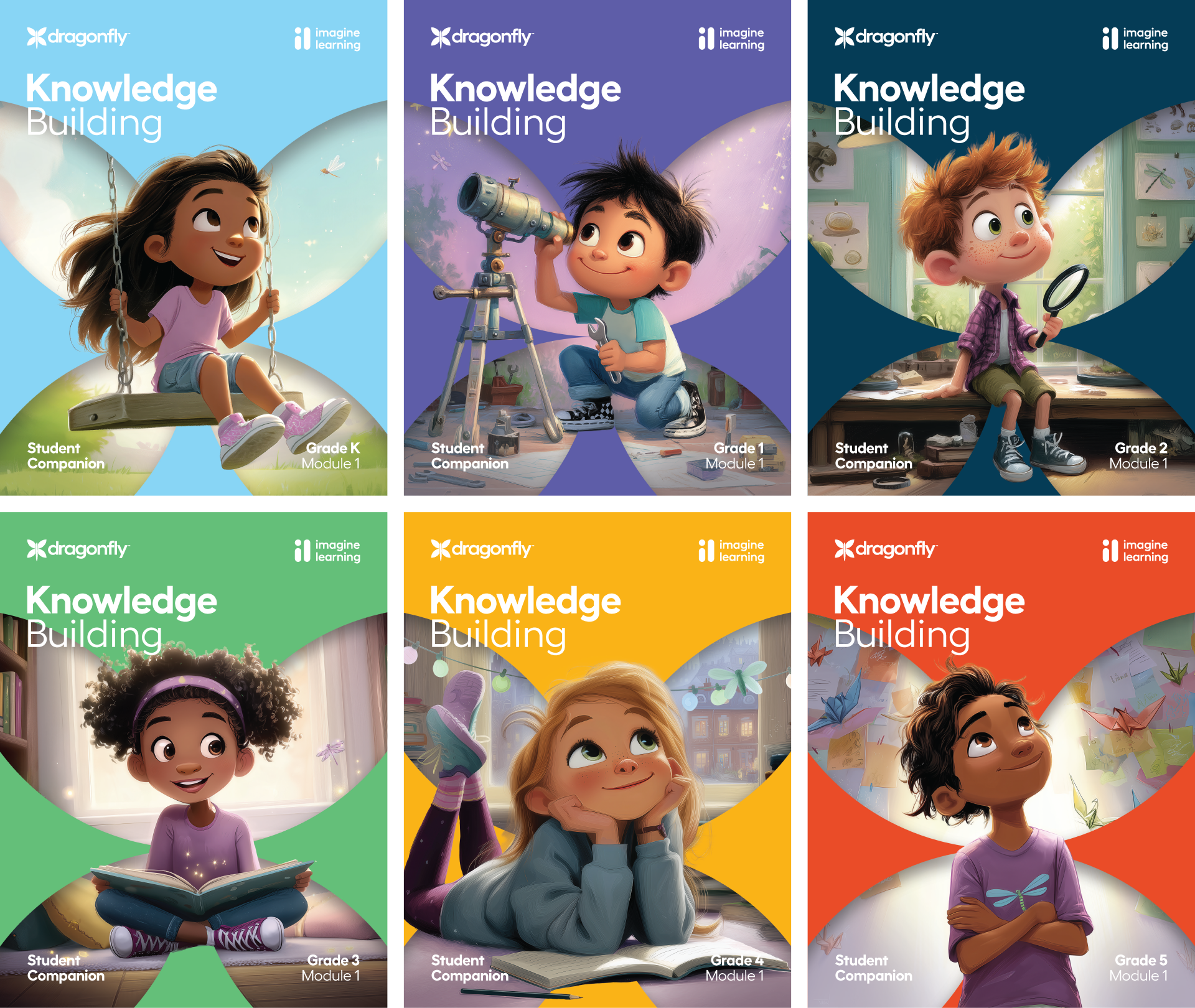
Dragonfly Companion Knowledge Building material

Beyond the Screen

The products extended beyond the digital experience into books, textbooks, and other physical materials. I helped ensure the visual language carried consistently across physical and digital experiences, creating a cohesive product ecosystem wherever they met.

That meant thinking about the experience as a connected whole, rather than treating each medium as a separate expression of the product. The same sense of identity and familiarity needed to carry through wherever students and teachers encountered it, reinforcing the relationship between what happened on screen and what happened beyond it.